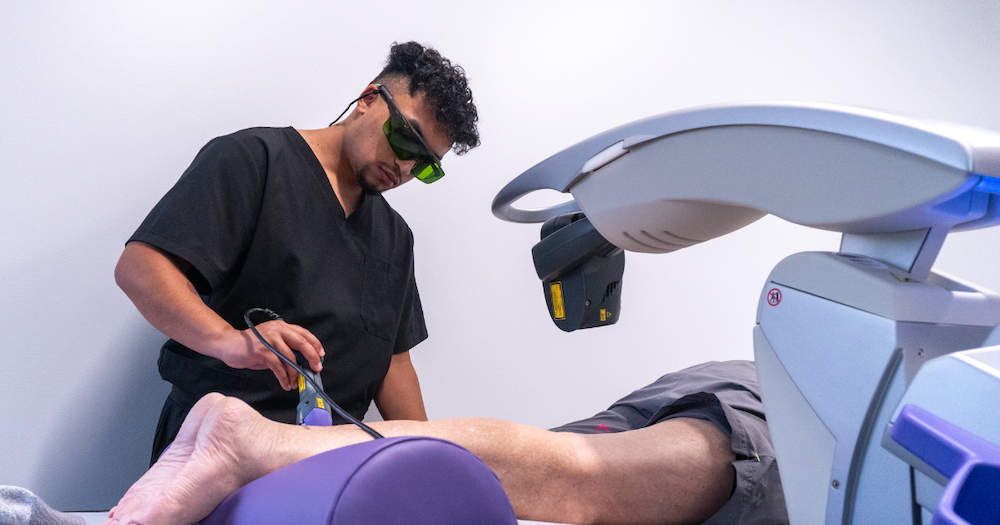
In my previous blog, I explained how exercise benefits those with neuropathy. Exercise helps protect and repair nerves through several mechanisms, including improving mitochondrial function.
The importance of mitochondrial function for nerve health cannot be overstated. The energy requirements of these long, active cells are tremendous. A nerve cell (neuron) constantly pumps high-energy ions to maintain the electrical charge needed to send a nerve signal. Additionally, neurons must transport proteins and nutrients along their entire length, which can be up to three to four feet in the case of the sciatic nerve. A single neuron might need as many as 2 million mitochondria to meet these energy demands. Keeping these tiny powerhouses functioning properly is essential for overall nerve health.
Damage to mitochondria is a common reason why people who have undergone chemotherapy, have diabetes, or other metabolic conditions may develop neuropathy. Symptoms of neuropathy usually begin in the feet because the long neurons of the sciatic nerve are especially vulnerable. Exercise is a critical first step to restoring nerve health. If that isn't enough, laser therapy can potentially help.
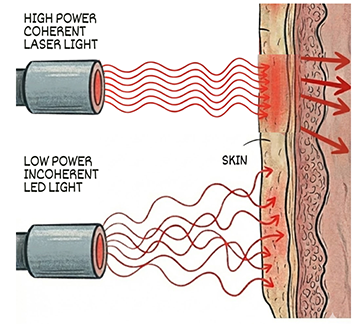
Before discussing what laser therapy can do, it's helpful to explain the differences between laser treatments and other types of light therapy, such as LED red light. LED red light treatments can be used at home and may provide benefits, especially for superficial structures such as the skin or hair follicles. The limitation of LED devices, however, is that they cannot penetrate deeper tissues. Their power is lower than that of a laser. Laser light is also more organized (the technical term is "coherent and collimated"), allowing it to penetrate deeper into nerves, joints, and other structures.
Lasers come in various types and strengths, ranging from Class I to IV. Lower-intensity lasers (Class I) are used in grocery store barcode scanners. Class IV lasers are restricted to medical/industrial uses. Some Class IV lasers are used in surgery to cut through tissues, while others are designed to avoid heating or damaging tissues. These are often called "cold" lasers.
The results of cold laser therapy (also called photobiomodulation) for neuropathy have been examined in multiple trials. In one blinded, randomized, sham-controlled study, a class IV laser was used on 70 individuals with chemotherapy-induced neuropathy. This study found that nearly 90% of those who received the laser treatments experienced significant improvements in sensation and reductions in neuropathy severity. In another study involving individuals with diabetic neuropathy, nerve function was tested before and after ten laser treatment sessions. Not only did neuropathy symptoms decrease, but nerve conduction velocities and overall nerve function also improved.
Laser light has also been studied for people with carpal tunnel syndrome. Eighty patients with this condition, characterized by inflamed nerves at the wrist, were randomly assigned to receive either 15 sessions of laser treatment or a sham laser. Those who received the laser treatment experienced significant improvements in sensation, nerve conduction velocities, and grip strength. A meta-analysis combining the results of seven other studies reached the same conclusion. Laser therapy improves both symptoms and nerve function for individuals with carpal tunnel neuropathy.
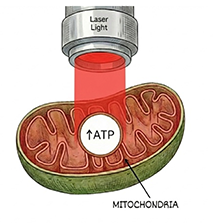
Laser light therapy has been shown to reduce neuropathy pain and improve nerve function. When combined with an exercise routine, the benefits can be substantial.