One concept I discuss in my book, Healing Joints and Nerves, is the difference between good inflammation and bad inflammation. Long-term inflammation is always bad. It causes chronic pain, releases enzymes that damage cartilage, and can lead to osteoarthritis.
However, short-term inflammation can be good for us. The immune stimulation it produces ignites a healing response that repairs cuts, sprains, and breaks. The short-term inflammation from exercise activates proteins that strengthen our muscles, tendons, and cartilage. This inflammation and immune stimulation is also the foundation of regenerative therapies such as platelet-rich plasma (PRP), which I discussed in a previous blog. In the right dose and duration, short-term inflammation flips an immune switch and kickstarts our body’s repair mechanisms.
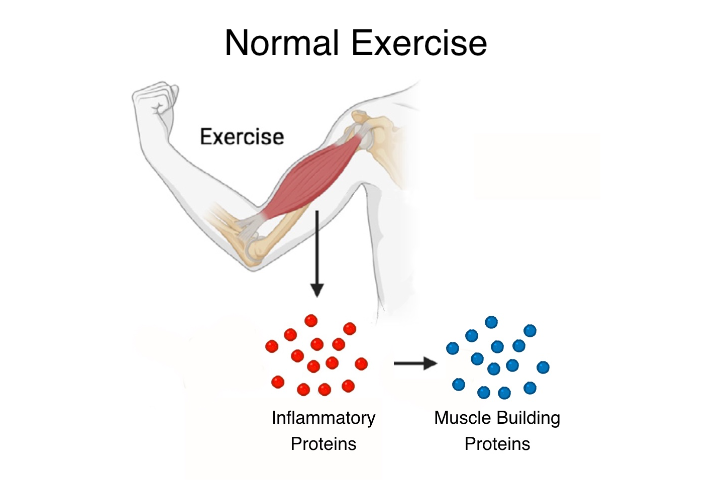 Inflammatory proteins (cytokines), including one called IL-6, can rise by as much as 100 times after a high-intensity workout. These cytokines contribute to muscle soreness a day or two after intense exercise. Good inflammation activates immune cells and initiates a healing process. That post-workout soreness signals that we have triggered the growth factors needed to build stronger joints. The cycle of inflammation and resolution is the foundation for exercise training and is essential for reaping its benefits.
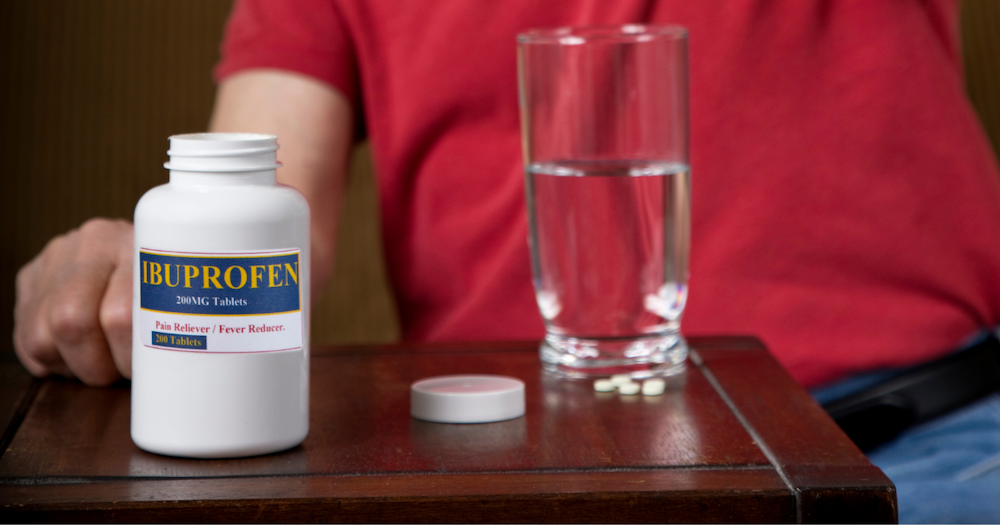
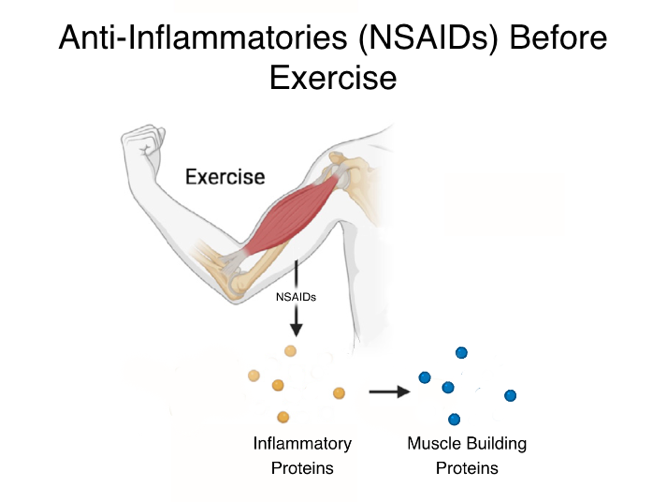
Non-steroidal anti-inflammatory drugs (NSAIDs), such as ibuprofen, naproxen, and celecoxib suppress inflammation. This can be necessary if we experience severe pain or swelling. However, these medications also block the good inflammation that happens with exercise.
The effects of NSAIDs on exercise have been studied multiple times, including by a research team from Auckland, New Zealand. They gave volunteers ibuprofen before exercise and then took muscle biopsies afterward. The researchers found that, by inhibiting inflammation, this NSAID also reduced the levels of proteins needed for muscle growth and reduced the benefits of exercise. Researchers from McGill University in Montreal also saw the importance of inflammation in recovery from sudden-onset back pain. They found that people with a strong inflammatory response to a back injury recovered more quickly. Those who took NSAIDs and suppressed the inflammation were more likely to develop chronic pain.
 A study involving over 4,000 individuals with knee osteoarthritis also found that NSAID use was associated with increased chronic pain and a higher chance of needing joint replacement surgery. In other words, regular NSAID use might actually accelerate joint degeneration.
So next time you head out for a workout, walk, or pickleball game, avoid reaching for the medicine cabinet if you can. The short-term inflammation from your exercise is helping you grow stronger (as long as you don’t get injured). If your pain is significant after a workout, try waiting an hour or two before taking an anti-inflammatory medication. Let your body do what it’s programmed to do—repair and heal.