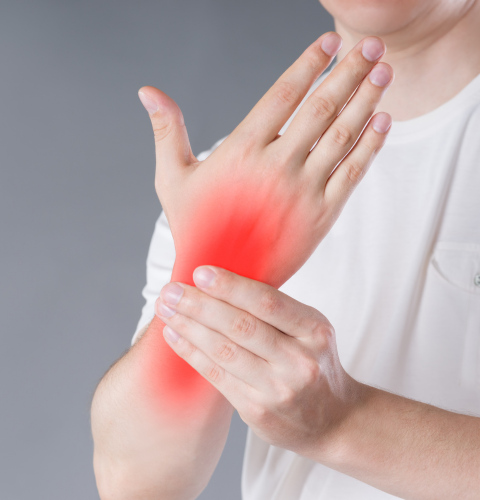
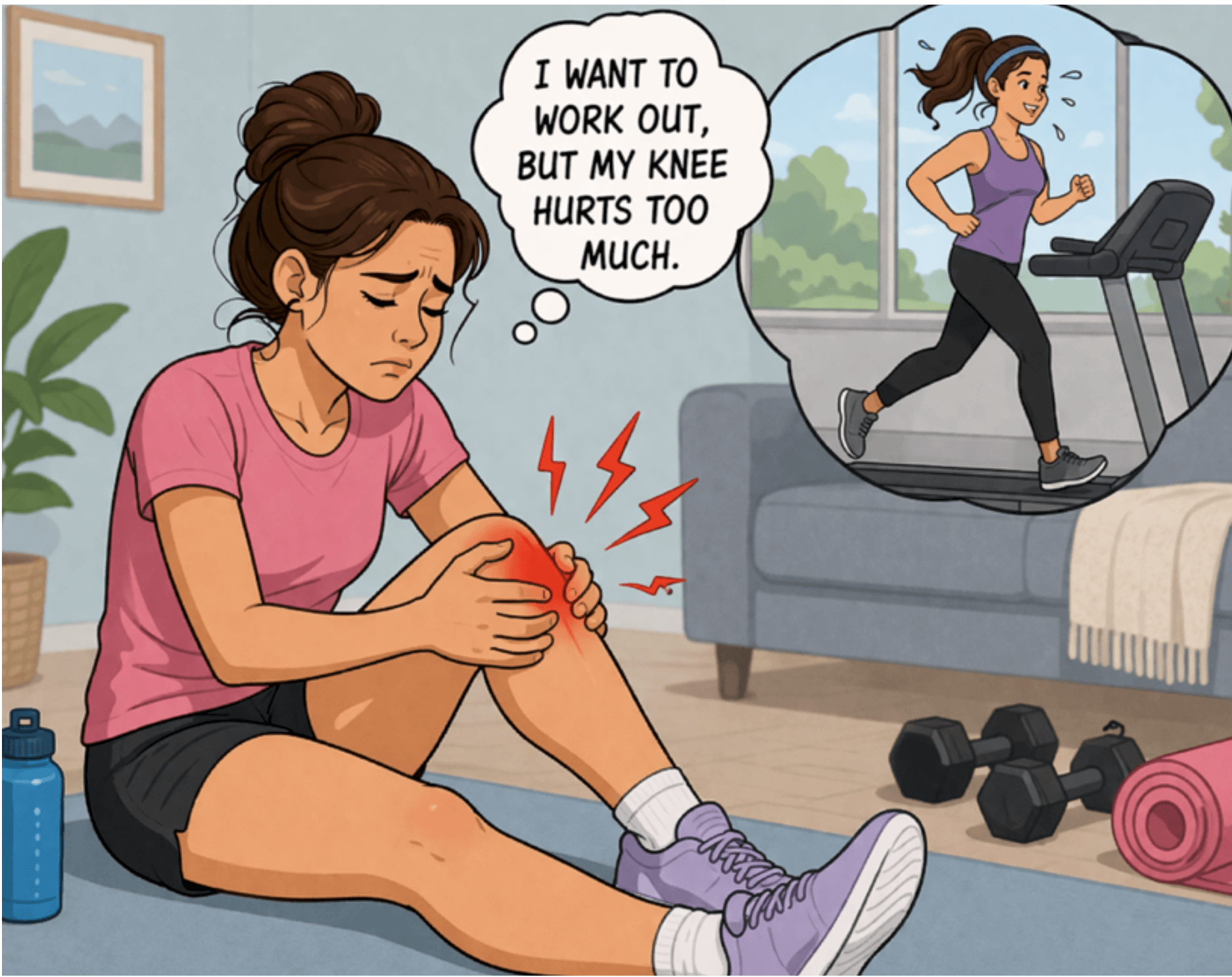
 If you have joint pain that keeps you from the activities you love, but you’re not a candidate for joint replacement surgery, you’re in orthopedic limbo. You’d like to return to your exercise routine, whether it’s pickleball, jogging, or a walk with friends. But every time you do, the familiar ache in your knee or hip holds you back. What can you do?
You may have tried a steroid injection. These injections reliably provide pain relief for a month or two, but the improvements are often short-lived. It’s a band-aid, but not a long-term fix. This leads many individuals to receive repeated steroid injections and the possible worsening of their arthritis.
Perhaps you have tried a “gel” injection into your knee or another joint. These procedures, which inject a substance called hyaluronic acid, are also commonly performed for knee OA. Adding this lubricant can sometimes provide longer-lasting relief than a steroid injection, but the pain relief is often not significant. These limited improvements have led the American Academy of Orthopedic Surgeons and the American College of Rheumatology to recommend against using HA injections for OA.
Arthroscopic surgery is performed more than a million times ayear to treat joint pain. While it can be effective for certain injuries or knees that are “locking,” its use for arthritis or degenerative meniscus tears has declined in recent years. Several studies have found that, for patients with these conditions, arthroscopic surgery provides no greaterimprovement than sham (placebo) surgery.To improve joint pain over the long term, we need to look to therapies that stimulate immune cells and the healing response. These include regenerative therapies such as platelet-rich plasma or the Regenokine Program. There is growing evidence that regenerative therapies may help preserve cartilage and joint health over the long term.
Don’t let frustration set in. Before you dial back your exercise, find out whether you’re a candidate for one of the therapies I discuss in the book, Healing Joints and Nerves. Our bodies are built to heal. We just need to activate those repair mechanisms. If exercise and nutrition aren’t enough, regenerative therapies such as platelet-rich plasma and autologous conditioned serum (the foundation of the Regenokine Program) may be good options.