Knee pain can change your daily life long before it becomes severe. You might take the stairs more slowly, cut a few holes out of your golf round, or skip your usual walk because your knee feels stiff. Over time, these small adjustments can become routine. But is avoiding activity protecting your knees, or could it be making things worse?
The knee is a complex joint made up of bones, cartilage, menisci, ligaments, tendons, and surrounding muscles. Together, these structures absorb forces, provide stability, and allow smooth movement. When they become injured, irritated, or struggle to tolerate physical demands, pain can develop.
Osteoarthritis (OA) is one possible cause. It involves changes throughout the joint, including cartilage deterioration, underlying bone changes, and inflammation. Although OA becomes more common with age, knee pain is not inevitable, and not every painful knee has arthritis.
Why Avoiding Movement Can Backfire
When your knee hurts, rest may seem like the safest option. Temporarily reducing activity can help after an acute injury, but avoiding movement long-term can lead to muscle weakness, reduced conditioning, and greater difficulty with everyday activities.
This is especially important as we age. Muscle mass and strength naturally decline over time. Regular resistance training helps preserve strength, balance, mobility, and independence.
Movement also helps circulate synovial fluid, which supplies nutrients to cartilage. Appropriate exercise supports joint function, improves strength and mobility, and helps the body tolerate everyday demands. For people with knee osteoarthritis, exercise is great – helping reduce pain and improve physical function.
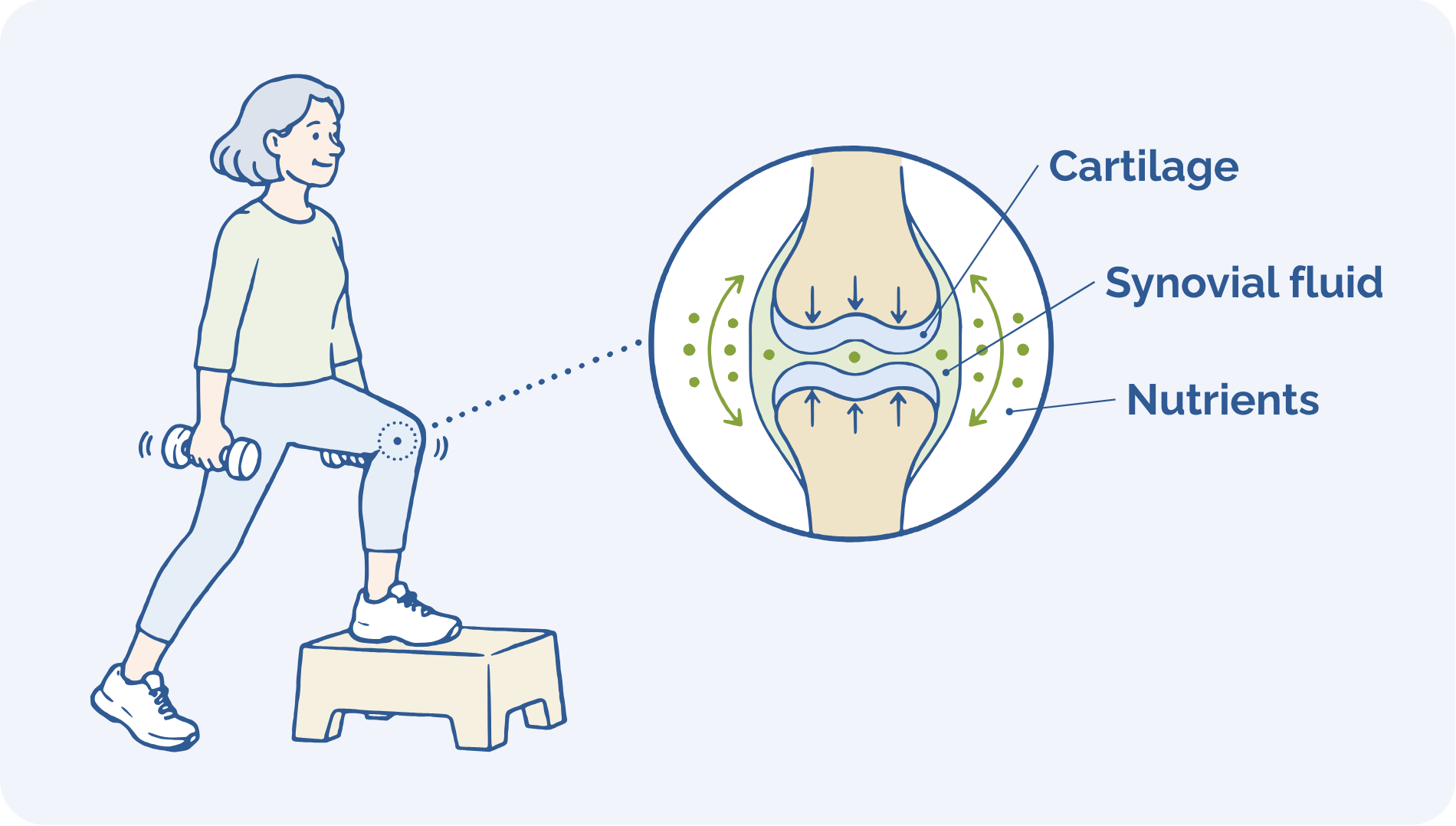
Walking, cycling, swimming, and strength training can often be adapted to individual needs. Strength, balance, and coordination exercises can also help support knee function as we age. For practical exercise ideas, read The Washington Post's guide to seven exercises an orthopedic surgeon recommends for healthy knees.
The Myth of Wear and Tear
If you've been told you have arthritis, you may have also been told it's simply the result of “wear and tear.” But osteoarthritis is more complex than a joint gradually wearing out from use.
While mechanical stress, previous injuries, and excessive loading can contribute to joint damage, OA also involves changes in the joint's biology. Inflammation disrupts normal tissue maintenance, shifting the balance between tissue breakdown and repair. Over time, these processes contribute to cartilage deterioration, changes in the underlying bone, pain, stiffness, and loss of function.
In other words, osteoarthritis isn't simply a matter of how much you've used your joints. A 2023 review of running studies found that recreational running was not linked to worsening knee osteoarthritis and may even protect against knee pain, challenging the idea that activity wears down our joints.
Rather than fearing movement as you age, focus on maintaining strength and staying active. Regular movement helps support joint function, maintain cartilage health, and preserve mobility over time.